
What is piping tape? Explanation of types, basic application methods, and how to make it.
- Date created:
- Update date:

table of contents
What is piping tape?
Piping tape is a great way to add a handmade touch. It's the tape often used to trim the bottom and gussets of bags, the edges of clothing collars, and around cushion covers—anywhere you'd expect a finished product to have a defined shape or simply as a decorative accent.
Types of piping tape
There are many different types of piping tape available. Please choose the one that suits your preference.

Piping tapes come in a variety of styles, including wide and thin tapes, those with embellishments, and those with glitter. Whether you want a casual or glamorous look, piping tape can completely change the atmosphere of your project, so try experimenting with different types!
How to attach it to the outside
Even just adding piping tape around the exterior of small items can make them look stylish!

Sew the piping tape in place with thread, aligning the seam with the finished edge of the outer fabric. Create a gentle curve at the corners and slightly ease the fabric so that it doesn't pucker when turned right side out.

Let the beginning and end overlap slightly and flow naturally outwards. If the core is thick and bulky, undo a little of the stitching on the beginning tape and cut only the core so that it meets the end cord. Fold the end of the beginning tape and wrap it around the end tape, overlapping it by about 1 cm.

Place the other outer fabric on top and sew along the finished line, leaving an opening for turning. Try to sew as close to the edge of the interfacing as possible. Smaller curves are easier to sew by hand.

Turn it right side out and close the opening, and you're done! This time, the core was thick, so I finished it by butting the cores of the tape together. Stuff it with cotton and it becomes a pincushion!
How to attach it to the switch line
Adding it to a transition line creates a subtle accent.

Sew the piping tape to the lower piece. Fold the seam allowance of the upper piece and sew over it. If using a sewing machine, replace the presser foot with a zipper foot.

If you want to gather the lower piece, first attach tape to the upper piece, fold the seam allowance with an iron, and sew along the finished line.
How to make piping tape

You can easily make piping tape using bias tape. If you want to make piping tape with a pattern or using the same fabric, try making it yourself. If the bias tape is already folded, iron it open once and then fold it in half again. Insert cotton rope of the desired thickness and sew along the edge. If it is difficult to sew along the edge, sew the bias tape first and then thread a thick bundle of yarn through it to finish.
I made a bag using piping tape as an accent!

I made a bag using piping tape as an accent. It gives a handmade bag a more sophisticated finish!
Take a step towards becoming a crafting expert with the simple technique of using piping tape.
Adding piping tape can instantly give your handmade items a professional touch. Give it a try!
The Couturier blog offers tips and tricks for various crafts, including sewing, embroidery, and knitting. Don't miss it!
▽Click here for a list of sewing and tailoring articles.
▽Click here for a list of sewing and sewing products.
▽Click here for the Couturier Shop
The products featured in this article are listed here.

"Couturier Club" registration fee (annual registration)
The "Couturier Club" membership fee (annual registration) is only 100 yen per month, and you'll get access to tons of great member benefits! Enjoy introductory prices on your first purchase, and every month, you'll receive "Couturier's Seeds," packed with fun and useful information such as seasonal crafting ideas, original works by artists, and crafting techniques. We look forward to you joining the "Couturier Club" and having fun together!
SHARE


Related article
 NEW
Deep fried tofu cushion and ganmo (fried tofu patties) cushion / Yukinko's carefree and easygoing handmade life
クチュリエの種

Patchwork Turtle Coaster / Yukinko's Free-Spirited Handmade Life
Sewing

I want to keep making things for the rest of my life! / My beloved handmade creations
Sewing

We want to deliver warmth and tenderness through our handcrafted work.
Visiting handmade craft artists

Step into the world of Toile de Jouy, where 18th-century France comes alive.
Cloth
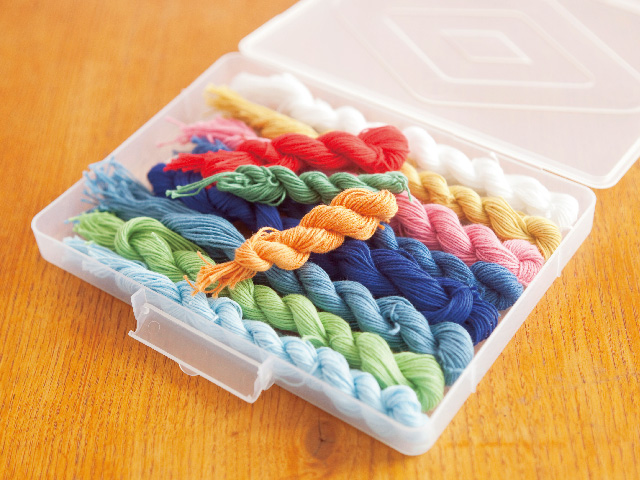
How to handle skeins of yarn – how to use them without tangling.
Sewing
Articles I recently read

If you feel like doing some handicrafts (handmade crafts),
To the Couturier Shop

Shopping
"Knitting Festa 2026" will be held!
Couturier's "Knitting Festa 2026" has begun! The ever-popular "Knitting CAL" is also available in new designs! Let's all enjoy knitting!
Shopping
For those new to handmade crafts, click here.
We want many people to experience the joy of making things by hand. That's why we have a wide selection of beginner-friendly lesson kits in our "Basics for Beginners" series.
Shopping
お す す め コ ン テ ン ツ
Shop for craft and DIY kits and handmade goods here.
Shopping
編み物
I want to knit every day, I want to knit all year round.
Shopping
The sun
You're sure to find an embroidery design you want to try!

Shopping
Sashiko
Sashiko embroidery, popular for its traditional patterns and characters.
Shopping
Sewing
A collection of tips and solutions for sewing and sewing problems.
Shopping
Accessories
Handmade accessories
Shopping
Craft
Crafts, handcrafts that don't require needles and thread
Shopping
ミ ニ チ ュ ア
Small, cute, heart-fluttering miniatures
Shopping
Beginner kit
Learn to do it! Popular beginner kit

Shopping
Couturier Shop Site
Shopping
Sales campaign
Shopping