
A story of small embroidery that takes shape over time
- Date created:
- Update date:

Chiemi Tachihara expresses a miniature world by filling it with embroidery threads in soft colors. The unique worldview created by the shading produced by the number of threads and the combination of stitches is simple yet profound, and has a presence as if it has jumped out of a picture book from a foreign land. We spoke at length with Ms. Tachihara about her love for embroidery in her studio on a beautiful afternoon when light was streaming in.
Fill in the gaps one stitch at a time, as if coloring a picture.

Ms. Tachihara says she has loved working with her hands since she was little. During her student days, she enjoyed drawing, and after graduation, she even worked as an illustrator. One day, she tried using a needle and thread as a means of artistic expression, which led to a life-changing encounter with embroidery.
"I had no basic knowledge of embroidery; at the time, I simply swapped the paper and pen I had in my hand for a needle and thread. I found it incredibly fun to stitch with the same feeling as drawing, and it felt like my world of expression had expanded dramatically."

Mito City in Ibaraki Prefecture, where she moved after getting married, is a city with a thriving manufacturing industry, where many artists live and enjoy expressing themselves. When she had the opportunity to exhibit her illustrations at a friend's gallery, the idea of embroidery as a form of expression came to Tachihara's mind once again.

"Remembering the joy I felt when I embroidered before, I started creating embroidery works alongside my illustrations. I'm completely self-taught, and at first I tried to embroider by imitating what I saw online and in books, but I had a strong desire to embroider based on my own drawings rather than following examples exactly, so I think my method was quite unconventional from the beginning."

I was a fan of ceramic artist Sachiko Kosuge's brooches, and that inspired me to try making my own embroidery into brooches. I started making brooches, and when I exhibited at the "Aozora Craft Market" in Mito, I gradually started to find buyers.

"Embroidered brooches can be worn as everyday accessories, so perhaps they were easier for people to pick up than illustrations or other designs. I was truly happy when someone who had bought one of my brooches came to see me again on another day, wearing it."

What made Ms. Tachihara famous as an embroidery artist was her "Winter Preparations" series, which features sweaters depicted in embroidery. The texture, which is just like real knitwear, captivated the hearts of many embroidery fans.

Equally popular is the summer straw hat series. Similar to the sweaters, the texture of straw is achieved by alternating and offsetting backstitches.
"Both projects feel like coloring a picture, and I really enjoy the process of meticulously stitching them in. I've made quite a lot of them, and each time I try out new stitches, so my stitching technique is evolving little by little."
I cherish the individuality I've cultivated through self-study.

What distinguishes Ms. Tachihara's embroidery is her use of color and density. Her works, densely stitched with single-colored threads, possess an indescribable three-dimensional charm.

"My favorite color is ecru. Rather than using color combinations or lines to represent shapes, I prefer using single-color threads to create texture and shading to give the embroidery expression. Also, I absolutely love filling in the stitches densely. Once finished, you can hardly see the base fabric."

How did this unique style come about, from expressing knitwear through embroidery to creating a three-dimensional effect with single-colored threads?
"I'm completely self-taught, and because I haven't gone through the basics, there may be aspects of my work that are not bound by conventional wisdom, for better or for worse. For example, when I make brooches, I embroider directly onto felt instead of fabric because I don't want to use an embroidery hoop that I'm not familiar with. When I created the diagrams for my first book, I was surprised to learn that the stitches I frequently use didn't even have names yet. I hadn't even realized that I was doing things my own way (laughs). In the end, a professional named them things like 'a modified French knot wrapped four times.'" It could be said that not knowing the basics or conventional wisdom is the reason why she doesn't conform to norms.

She always finds herself drawn to motifs that are close at hand. She says she likes things that expand her imagination.
"I'm drawn to things that evoke a story that unfolds from a single motif, like imagining someone preparing for winter from knitted embroidery, or picturing a European grandmother making jam from jam embroidery. Embroidery is time-consuming and laborious, but it's incredibly rewarding when something I've envisioned takes shape. I want to continue expressing various stories in this small world."


Ms. Tachihara also has experience as a workshop instructor. Finally, we asked her for tips on how to do embroidery well.

"Start with something small, and don't give up; just try to finish it. Once you complete one piece, you'll gain confidence, and the cuteness of your own stitched work will be exceptional. It's okay to make mistakes, especially with stitching projects like mine where you fill in the stitches; you can always add more stitches later or fix any tangled threads with a needle. I think you'll get better the more you stitch, so please enjoy it at your own pace!"

Embroidery artist cem's embroidery(Sem's Embroidery)
Chiemi Tachihara
She has been creating embroidery works since 2010. She sells her work through online shops and at events, and also holds workshops irregularly. Her published works include "Small Embroidery Brooches" (Nihon Vogue).
Instagram:@cem_broche
The products featured in this article are listed here.

"Couturier Club" registration fee (annual registration)
Join the "Couturier Club" and enjoy tons of great member benefits for just 100 yen a month! Enjoy introductory prices on your first purchase, and our monthly newsletter, "Couturier's Seeds," is packed with fun and useful information, including seasonal crafting ideas, original works by artists, and crafting techniques. We look forward to you joining the "Couturier Club" and enjoying crafting together!
SHARE


Related article

An interview with craft designer Kazue Kasuga: From a girl who was passionate about crafts to someone who conveys the charm of handmade items.
Craft artist

Making and using them is fun! The charm of Peranakan beads.
刺繍作家

A sweater shop that loves knitwear and is open 365 days a year - Part 2
編み物作家

Knitting comedian Aiper Takizawa's Knitting Wonderful! Life Vol. 09
かぎ針編み

Adding Love and Light to Buttons / An Interview with Button Artist and Designer Yuka Miyazono
Visiting handmade craft artists

The daily life of a 97-year-old newspaper collage artist.
Visiting handmade craft artists
Articles I recently read

If you feel like doing some handicrafts (handmade crafts),
To the Couturier Shop

Shopping
Once you get hooked, you'll be completely engrossed!
These kits are long-selling and popular items at Couturier. From knitting and joining pieces to creating and wearing them, and enjoying various arrangements, there's a wide selection of kits that will have you completely hooked.
Shopping
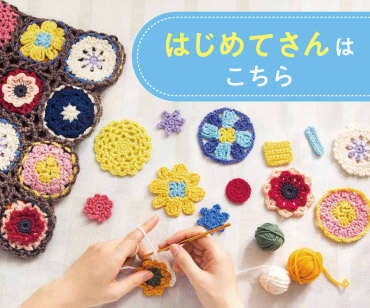
For those new to handmade crafts, click here.
We want many people to experience the joy of making things by hand. That's why we have a wide selection of beginner-friendly lesson kits in our "Basics for Beginners" series.
Shopping
お す す め コ ン テ ン ツ
Shop for craft and DIY kits and handmade goods here.
Shopping
編み物
I want to knit every day, I want to knit all year round.
Shopping
The sun
You're sure to find an embroidery design you want to try!
Shopping
Sashiko
Sashiko embroidery, popular for its traditional patterns and characters.
Shopping
Sewing
A collection of tips and solutions for sewing and sewing problems.
Shopping
Accessories
Handmade accessories
Shopping
Craft
Crafts, handcrafts that don't require needles and thread
Shopping
ミ ニ チ ュ ア
Small, cute, heart-fluttering miniatures
Shopping
Beginner kit
Learn to do it! Popular beginner kit

Shopping
Couturier Shop Site
Shopping
Sales campaign
Shopping
Beginner Knitting Lesson Kit

Shopping