
A craftsman who carries on the tradition of truck lettering into the modern age / A stroll through New York
- Date created:
- Update date:

New York City was once filled with hand-painted lettering by artisans. Now, sign painter John Voxel is reviving this tradition, which is on the verge of disappearing with the tide of time, and passing it on to the next generation. We delved into the stoic yet warm creative process behind him, as he loves old signs, has learned the techniques of nameless predecessors, and has a deep understanding of Japanese Zen and calligraphy.
"I respect the lettering on the trucks I saw in the city where I grew up, and the styles of the masters of sign making," John says. His work, in particular, evokes a nostalgic yet fresh "memory of New York."


There were once legendary truck lettering artists in New Jersey and New York. John learned their techniques through self-study, and sometimes from old textbooks. "In high school, I was just tracing and filling in the shapes of the letters. But then I came across a book that showed the order of the brush strokes, and everything changed."

John's philosophy at Hand Signs is remarkably simple: to create unique lettering for every shop, car, or boat. "Instead of choosing from existing fonts on a computer, I compose each letter by hand, stroke by stroke," says John. His style is incredibly dynamic, blending the logical beauty of graphic design with the intuitive movements of a craftsman.

His work ranges from the facades of upscale Manhattan restaurants to wooden yachts over 125 years old, and even vintage cars he worked on in Korea. What I found particularly interesting was his creative process.

When creating design proposals, he minimizes preliminary sketches as much as possible, and on-site, he simply draws top and bottom guidelines, then works with his brush to convey the client's vision and the energy of the moment within that space—a technique he calls "scratch layout." The lettering is not overly perfect, yet it has a live feel to it. It is art brimming with vitality that can only be born in that moment, in that place.

This beauty, which transcends calculation, is deeply connected to John's recent practice of Zen meditation and his interest in Japanese calligraphy. "Just like with calligraphy, if you try to draw well by thinking about it, it won't work. It's important to empty your mind and achieve a state of 'mindlessness' where your body and brush become one." John says he loves the feeling of receiving the energy of the artist from the characters written on the noren (curtain) of a Japanese shop when he passes through it. Listening to his words, you become convinced that the reason his signs attract people in the city is not simply because of his "technique," but because of the "spirit" or "energy" that lies beneath them.


John is now also working to pass on his skills to the next generation. His words, "Craft is a dialogue with those who came before us, and with someone in the future," truly reflect the spirit of his mother, whom he respects and who was skilled at tailoring. "My mother sewed everything herself, making everything from sofas to cushions by hand. For her, it wasn't anything special; it was just an everyday activity she did because she wanted to. That spirit is my starting point."
In an age overflowing with uniform lettering created by AI, he deliberately continues with time-consuming "handicrafts." He believes that this is a way of participating in the "chain of human activity" that stretches from the past to the future.

You'll have a chance to experience John's brushwork firsthand in Japan in the latter half of 2026 in Kyoto, Tokyo, and Sapporo. The exhibition, titled "Repeaters," will showcase his original works, based on the hand-painted sign-making techniques using flat brushes and pointed pens, and incorporating a lot of body movement and curves. Having been impressed by the high quality of Japanese pottery and carpentry, he respects the traditions he cultivated in New York, yet he frees himself from conventions to create vibrant, lively brushstrokes. Be sure to experience his unique energy with all your senses at the venue. Details will be updated regularly on Instagram. Workshops are also planned during the exhibition period, making it a valuable opportunity to directly experience his techniques.

Instagram
@handsigns.info
@jonbocksel


Takashi Ikezawa
Following the policy of "I only do what I love," I run RESOBOX, a Japanese cultural space in New York, the land of freedom. My hobbies are mountain climbing, Iaido (Japanese sword drawing), and playing the violin. I also host a podcast called "All Night New York" with two other Japanese men living in NY. Please check it out!
The products featured in this article are listed here.

"Couturier Club" registration fee (annual registration)
Join the "Couturier Club" and enjoy tons of great member benefits for just 100 yen a month! Enjoy introductory prices on your first purchase, and our monthly newsletter, "Couturier's Seeds," is packed with fun and useful information, including seasonal crafting ideas, original works by artists, and crafting techniques. We look forward to you joining the "Couturier Club" and enjoying crafting together!
SHARE


Related article
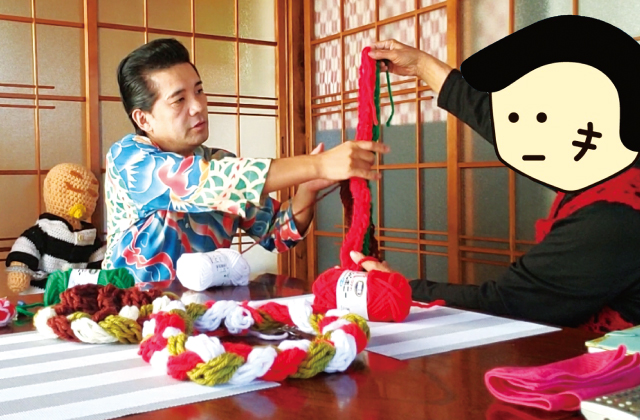
Knitting comedian Aiper Takizawa's Knitting Wonderful! Life Vol. 06
かぎ針編み

Tips for enjoying everyday life ~A photo collection of handmade items~
Other reading material

Materials are everything! The profound world of stuffed animal making / Yukinko's carefree and easygoing handmade life
Sewing

Patchwork Chair Cover / Yukinko's Free-Spirited Handmade Life
Sewing

Lovely handmade accessories and crafts I found at a Swiss Christmas market | Otome Diary
クチュリエの種

The joy of holding a needle and thread, the pleasure of playing with fabric, that patchwork taught me ~Part 2~
Patchwork quilt artist
Articles I recently read

If you feel like doing some handicrafts (handmade crafts),
To the Couturier Shop

Shopping
Once you get hooked, you'll be completely engrossed!
These kits are long-selling and popular items at Couturier. From knitting and joining pieces to creating and wearing them, and enjoying various arrangements, there's a wide selection of kits that will have you completely hooked.
Shopping
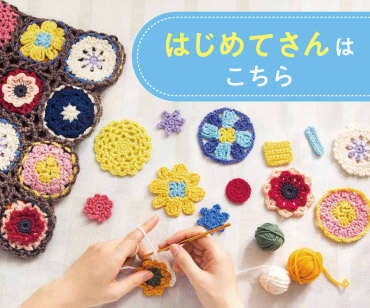
For those new to handmade crafts, click here.
We want many people to experience the joy of making things by hand. That's why we have a wide selection of beginner-friendly lesson kits in our "Basics for Beginners" series.
Shopping
お す す め コ ン テ ン ツ
Shop for craft and DIY kits and handmade goods here.
Shopping
編み物
I want to knit every day, I want to knit all year round.
Shopping
The sun
You're sure to find an embroidery design you want to try!

Shopping
Sashiko
Sashiko embroidery, popular for its traditional patterns and characters.
Shopping
Sewing
A collection of tips and solutions for sewing and sewing problems.
Shopping
Accessories
Handmade accessories
Shopping
Craft
Crafts, handcrafts that don't require needles and thread
Shopping
ミ ニ チ ュ ア
Small, cute, heart-fluttering miniatures

Shopping
Beginner kit
Learn to do it! Popular beginner kit

Shopping
Couturier Shop Site
Shopping
Sales campaign
Shopping
Beginner Knitting Lesson Kit

Shopping